RESEARCH LIBRARY

Know every compound before you study it.

This section is purely educational. Each profile explains what the peptide is, how it is classified, which models it appears in throughout the published literature, and what to read next — so you can do your own research before you ever work with it.

NOTHING HERE IS MEDICAL ADVICE, DOSING GUIDANCE, OR A CLAIM OF EFFICACY. ALL COMPOUNDS ARE SOLD FOR IN-VITRO LABORATORY RESEARCH ONLY — NOT FOR HUMAN OR ANIMAL CONSUMPTION.

Research compounds

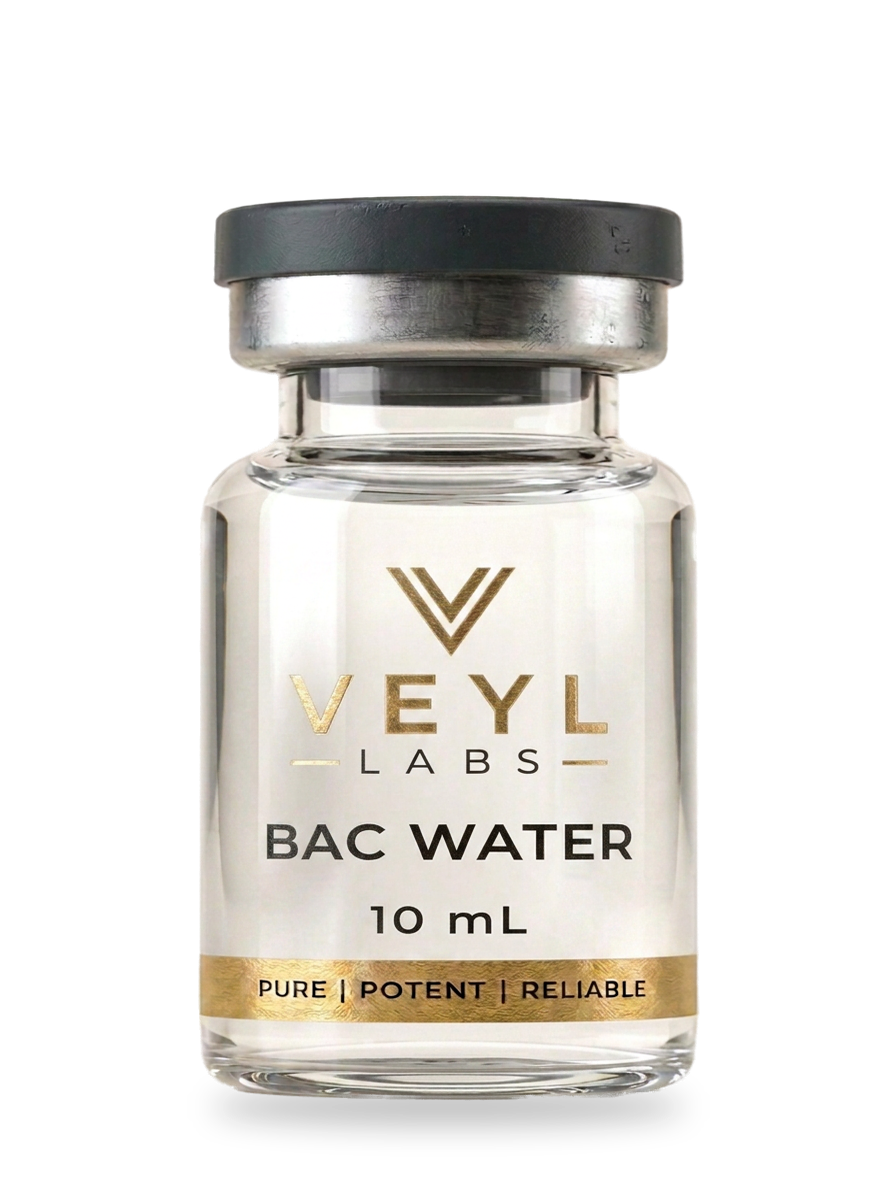
Veyl Labs BAC Water research vial

BAC Water

BACTERIOSTATIC WATER, 0.9% BENZYL ALCOHOL

Bacteriostatic water is not a peptide — it is the diluent used to reconstitute lyophilized powder in a laboratory setting. The 0.9% benzyl alcohol content inhibits microbial growth, which is what makes a multi-draw vial viable over several days.

CLASSIFICATION

Sterile USP-grade diluent

MECHANISM IN THE LITERATURE

Benzyl alcohol disrupts microbial membranes at bacteriostatic concentrations, limiting proliferation without sterilising the solution. It does not remove existing contamination.

COMMONLY STUDIED IN

  • Reconstitution of lyophilized research peptides
  • Multi-draw vial handling and stability windows
  • Diluent-compatibility checks prior to assay work

WHERE TO READ NEXT

  • Reference: USP monographs on bacteriostatic water for injection
  • Note: sterile water and saline are non-bacteriostatic alternatives
VIEW PRODUCT SPECS10 mL · USP-grade water, filtered to 0.22 µm
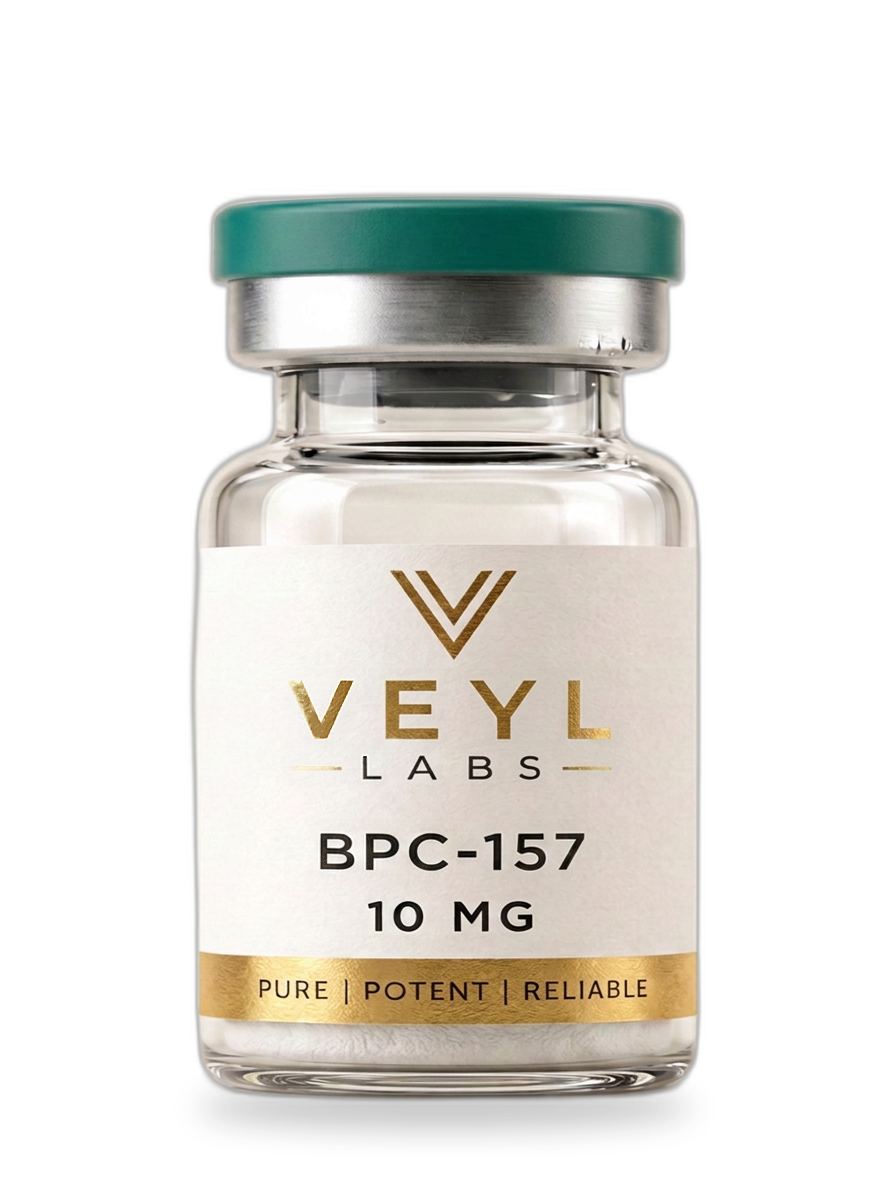
Veyl Labs BPC-157 research vial

BPC-157

BODY PROTECTION COMPOUND-157, PENTADECAPEPTIDE

BPC-157 is a synthetic pentadecapeptide that is widely referenced in regenerative and tissue-repair research. It appears in studies of wound healing, angiogenesis, and connective-tissue models, often alongside TB-157 literature for comparison.

CLASSIFICATION

15-amino-acid synthetic pentadecapeptide sequence

MECHANISM IN THE LITERATURE

Published work links BPC-157 to the upregulation of growth factors and angiogenic pathways, as well as interactions with the nitric-oxide system. It is also associated with cytoskeletal reorganisation and cell migration in fibroblast and endothelial cultures.

COMMONLY STUDIED IN

  • Gastric, tendon, and ligament repair models
  • Angiogenesis and endothelial cell-migration assays
  • Collagen and extracellular-matrix remodelling research
  • Comparative studies with TB-500 and other regenerative peptides

WHERE TO READ NEXT

  • Search terms: 'BPC-157 pentadecapeptide angiogenesis tissue repair'
  • Often compared with TB-500 / thymosin beta-4 literature
VIEW PRODUCT SPECS10 mg · 99%+ by HPLC
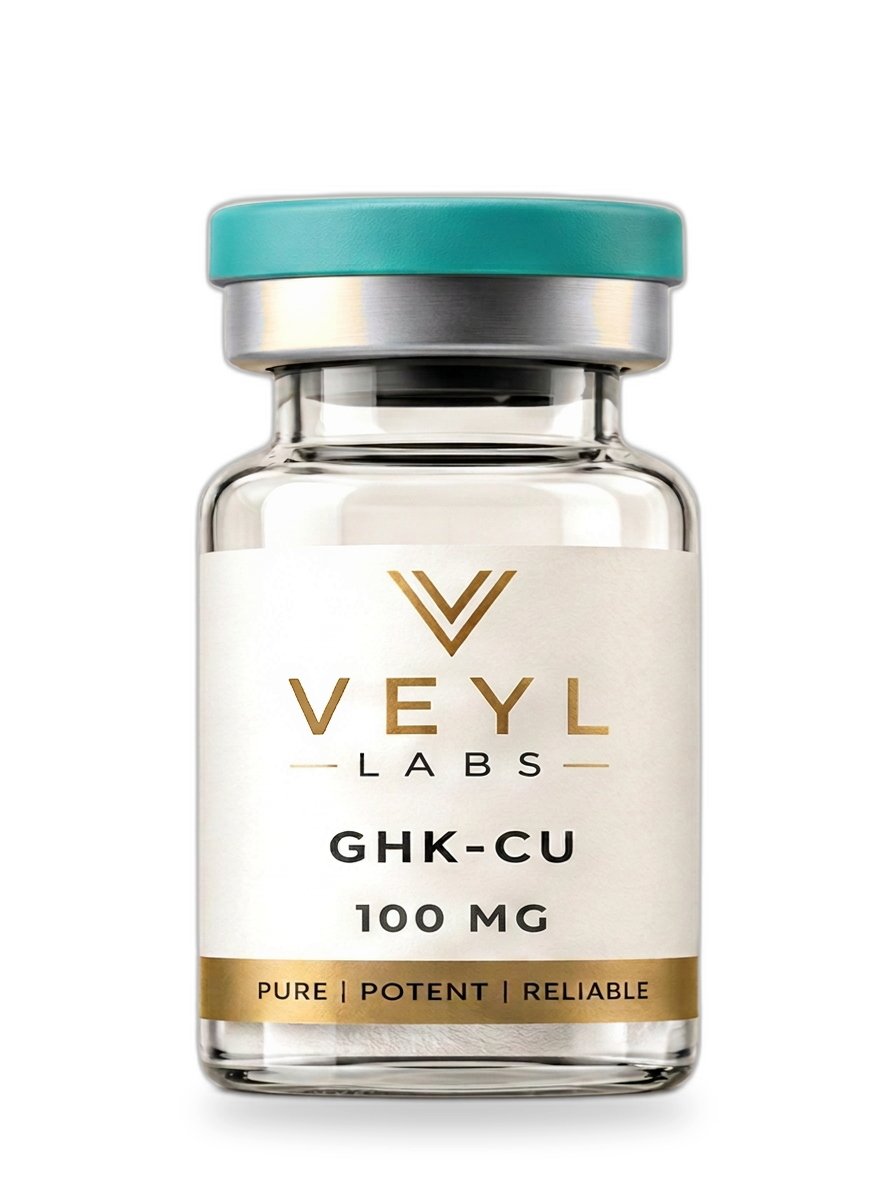
Veyl Labs GHK-Cu research vial

GHK-Cu

COPPER TRIPEPTIDE-1 (GLY-HIS-LYS : CU2+)

GHK-Cu is a naturally occurring tripeptide that forms a stable complex with copper(II). It is one of the most studied compounds in dermal-matrix and wound-model research, and is the reason many of these vials carry a blue tint.

CLASSIFICATION

Copper-binding tripeptide complex

MECHANISM IN THE LITERATURE

Acts as a physiological copper carrier, delivering Cu2+ to enzymes that depend on it. In fibroblast models it is associated with collagen and glycosaminoglycan gene expression and with metalloproteinase regulation.

COMMONLY STUDIED IN

  • Collagen type I / III expression in fibroblast culture
  • Extracellular-matrix remodelling and MMP/TIMP balance
  • Copper-ion transport and antioxidant-enzyme studies

WHERE TO READ NEXT

  • Search terms: 'GHK-Cu copper tripeptide gene expression fibroblast'
  • Background: copper homeostasis in connective tissue
VIEW PRODUCT SPECS100 mg · 99%+ by HPLC
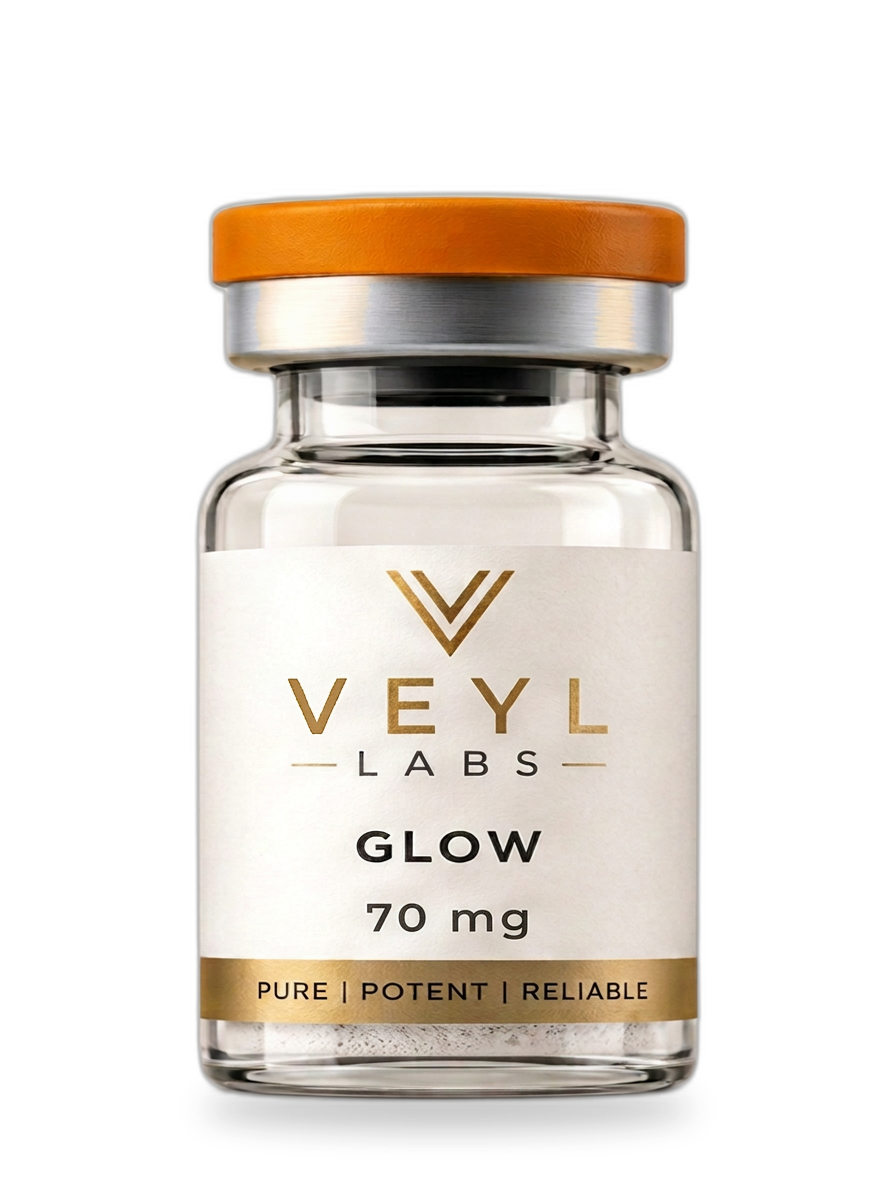
Veyl Labs GLOW research vial

GLOW

MULTI-PEPTIDE DERMAL RESEARCH BLEND

GLOW is a blended preparation used in comparative cosmetic-science models. Rather than isolating one signalling pathway, it lets a laboratory observe combined behaviour — which is useful for screening, and deliberately less useful for mechanistic attribution.

CLASSIFICATION

Lyophilized blend of complementary research peptides

MECHANISM IN THE LITERATURE

Because it is a blend, effects observed in a model cannot be attributed to a single component. Researchers who need mechanistic clarity typically run the individual components in parallel as controls.

COMMONLY STUDIED IN

  • Screening-stage dermal and matrix models
  • Combined-pathway comparison against single-peptide controls
  • Formulation-stability characterisation

WHERE TO READ NEXT

  • Start from the component literature (e.g. GHK-Cu, Tβ4 fragments)
  • Always run single-compound controls alongside a blend
VIEW PRODUCT SPECS70 mg · 99%+ by HPLC per component
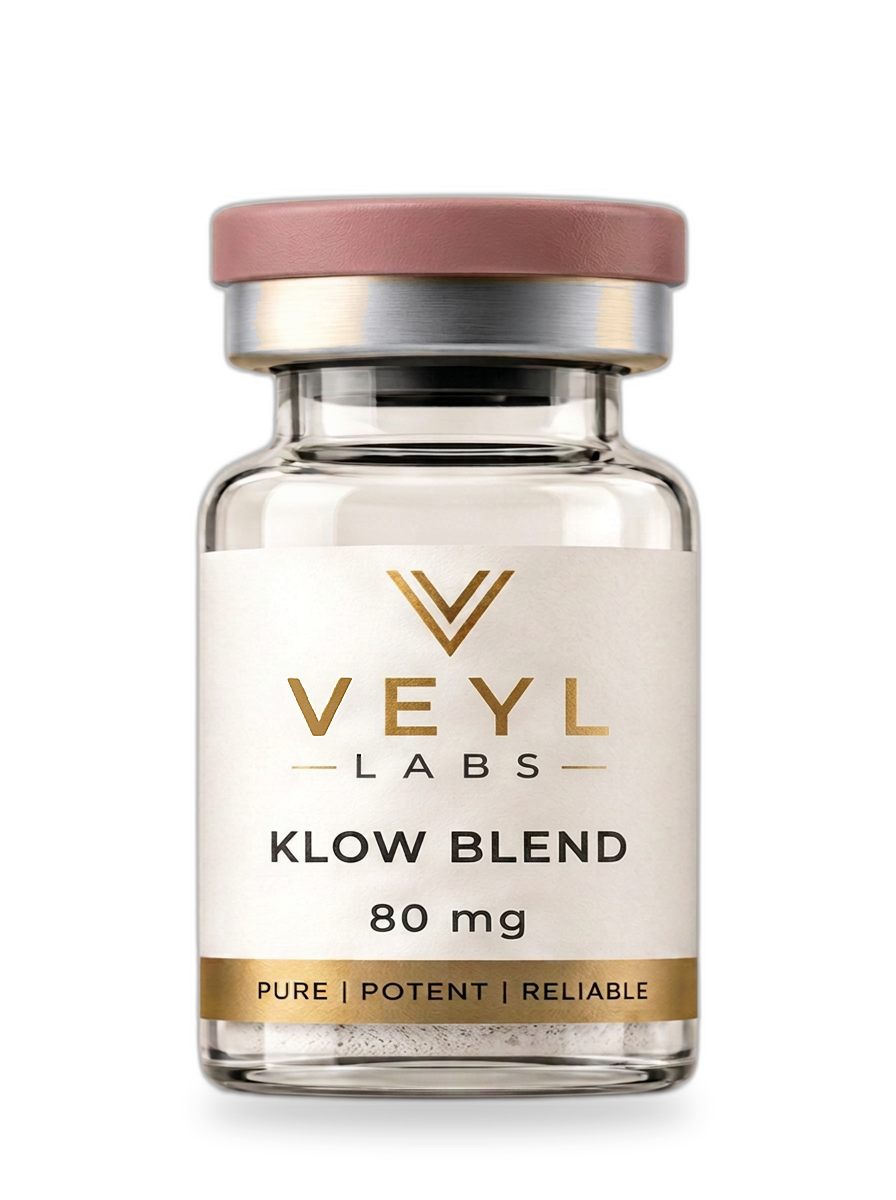
Veyl Labs Klow Blend research vial

Klow Blend

ADVANCED MULTI-PEPTIDE DERMAL RESEARCH BLEND

Klow Blend is a premium blended preparation designed for advanced comparative cosmetic-science models. It builds on the GLOW concept with a higher total peptide content and a curated ratio of components intended for laboratories screening complex signalling interactions.

CLASSIFICATION

Lyophilized blend of complementary research peptides

MECHANISM IN THE LITERATURE

As a multi-peptide blend, observed effects cannot be attributed to a single component. Researchers typically run the individual constituents in parallel as controls to isolate mechanism and contribution.

COMMONLY STUDIED IN

  • Advanced screening-stage dermal and matrix models
  • Synergistic-pathway comparison against single-peptide controls
  • Higher-concentration formulation-stability characterisation

WHERE TO READ NEXT

  • Start from the component literature (e.g. GHK-Cu, Tβ4 fragments)
  • Always run single-compound controls alongside a blend
VIEW PRODUCT SPECS80 mg · 99%+ by HPLC per component
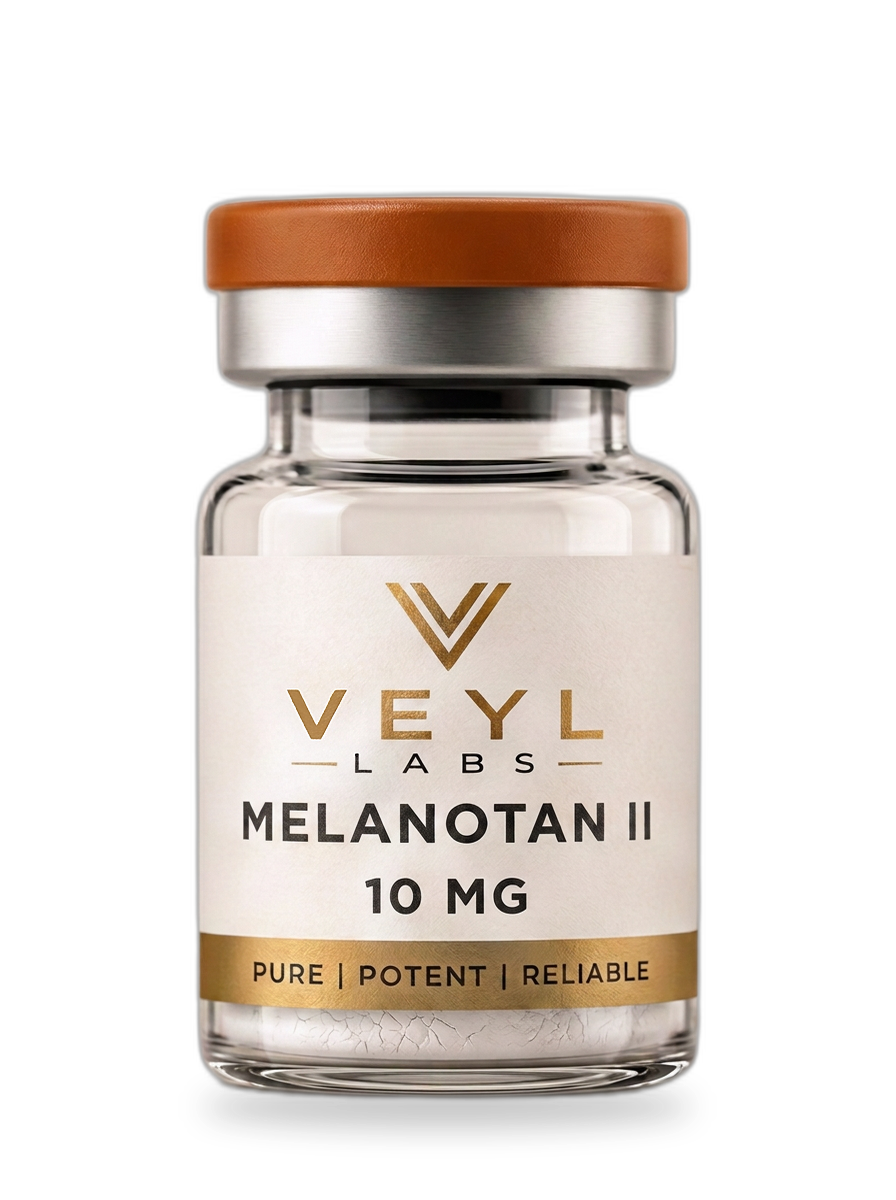
Veyl Labs Melanotan II research vial

Melanotan II

MELANOCORTIN ANALOG, MT-II

Melanotan II is a synthetic melanocortin analog used in research on melanocortin receptors and their downstream signalling. Its cyclic structure improves receptor-binding affinity compared with linear analogs, making it a common reference compound in receptor pharmacology.

CLASSIFICATION

Cyclic synthetic heptapeptide melanocortin receptor agonist

MECHANISM IN THE LITERATURE

Acts as a non-selective melanocortin receptor agonist in published models, engaging MC1R, MC3R, MC4R and MC5R. This multi-receptor profile is why it is frequently used to study receptor selectivity and second-messenger signalling.

COMMONLY STUDIED IN

  • Melanocortin receptor-binding and selectivity assays
  • Melanogenesis and pigment-cell signalling models
  • Cyclic peptide stability and conformational studies
  • Comparative pharmacology versus linear melanocortin analogs

WHERE TO READ NEXT

  • Search terms: 'Melanotan II melanocortin receptor agonist cyclic peptide'
  • Background: melanocortin system and receptor subtypes
VIEW PRODUCT SPECS10 mg · 99%+ by HPLC
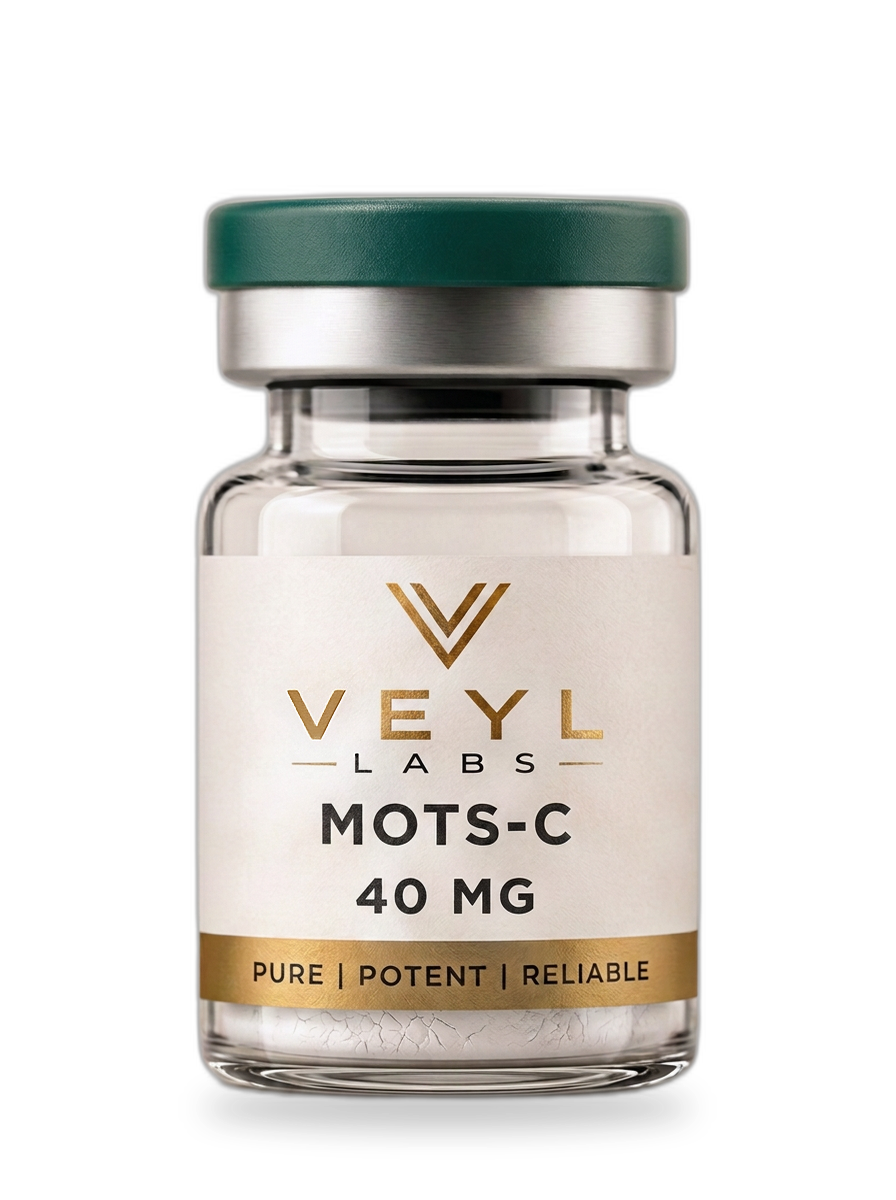
Veyl Labs MOTS-c research vial

MOTS-c

MITOCHONDRIAL OPEN READING FRAME OF THE 12S RRNA-C

MOTS-c is a small peptide encoded within mitochondrial DNA. It has emerged as a tool compound in studies of cellular metabolism, metabolic flexibility, and aging-related mitochondrial signalling, because it appears to influence energy-sensing pathways in cell and animal models.

CLASSIFICATION

16-amino-acid mitochondrial-derived peptide

MECHANISM IN THE LITERATURE

Published work links MOTS-c to AMPK activation and folate metabolism, suggesting a role in how cells respond to nutrient stress and maintain metabolic homeostasis under changing conditions.

COMMONLY STUDIED IN

  • AMPK pathway and energy-sensitivity assays in cell models
  • Age-related metabolic-flexibility research
  • Exercise and stress-response signalling literature
  • Mitochondrial-nuclear communication studies

WHERE TO READ NEXT

  • Search terms: 'MOTS-c mitochondrial peptide AMPK metabolism'
  • Background: mitochondrial-derived peptides (MDPs) and cellular stress
VIEW PRODUCT SPECS40 mg · 99%+ by HPLC
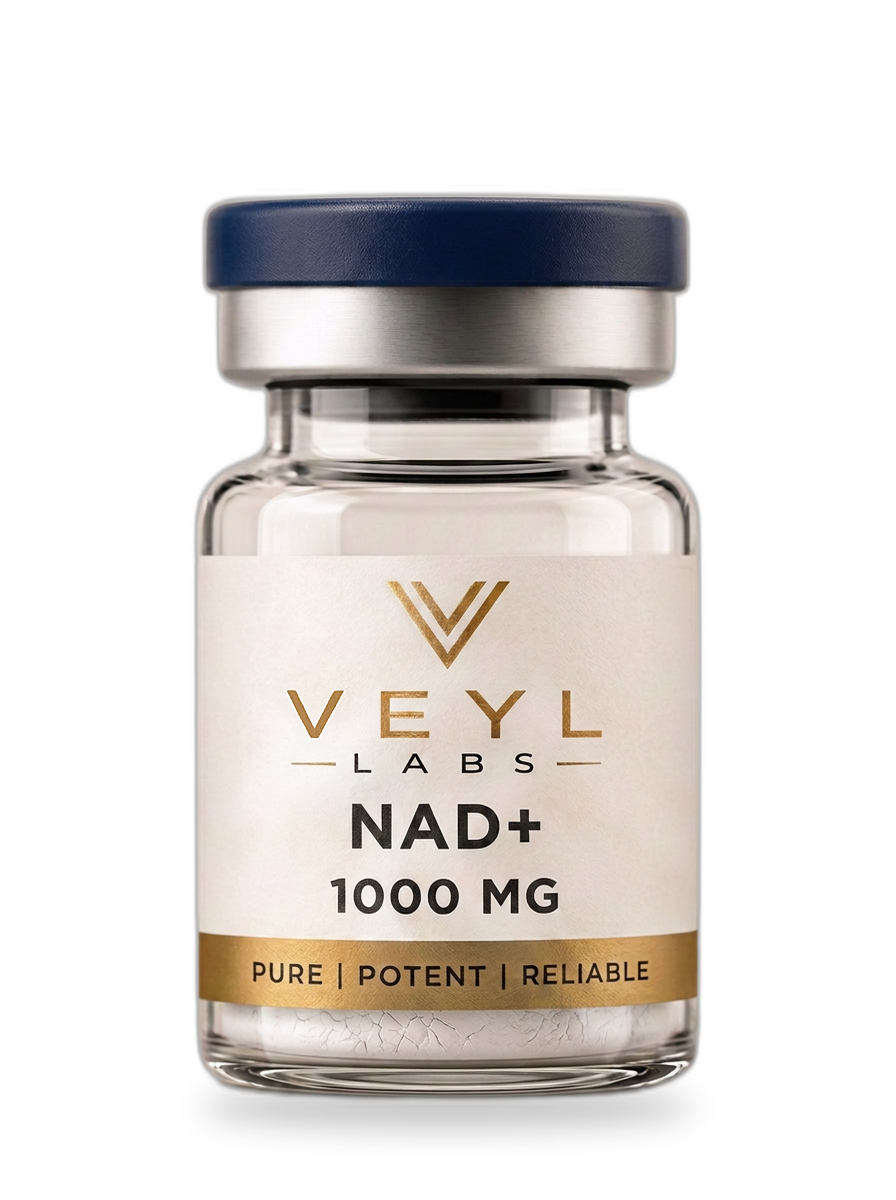
Veyl Labs NAD+ research vial

NAD+

NICOTINAMIDE ADENINE DINUCLEOTIDE, OXIDIZED FORM

NAD+ is the oxidized form of nicotinamide adenine dinucleotide, a coenzyme found in all living cells. In research it is studied as a central mediator of energy metabolism, redox balance, and the signaling pathways that connect nutrient status to cellular function.

CLASSIFICATION

Coenzyme central to cellular redox metabolism

MECHANISM IN THE LITERATURE

As an electron carrier, NAD+ cycles between oxidized (NAD+) and reduced (NADH) forms during glycolysis, the citric acid cycle, and oxidative phosphorylation. It also serves as a substrate for enzymes such as sirtuins, PARPs, and CD38, linking metabolic flux to signaling outputs in published models.

COMMONLY STUDIED IN

  • Redox metabolism and mitochondrial respiration assays
  • NAD+ biosynthesis (de novo, Preiss-Handler, salvage pathways)
  • Sirtuin and PARP pathway modulation in cell models
  • Aging and cellular-stress response research

WHERE TO READ NEXT

  • Search terms: 'NAD+ metabolism sirtuins aging cellular energy'
  • Compare NAD+ with NADH/NAMPT literature for redox context
VIEW PRODUCT SPECS1000 mg · 99%+ by HPLC
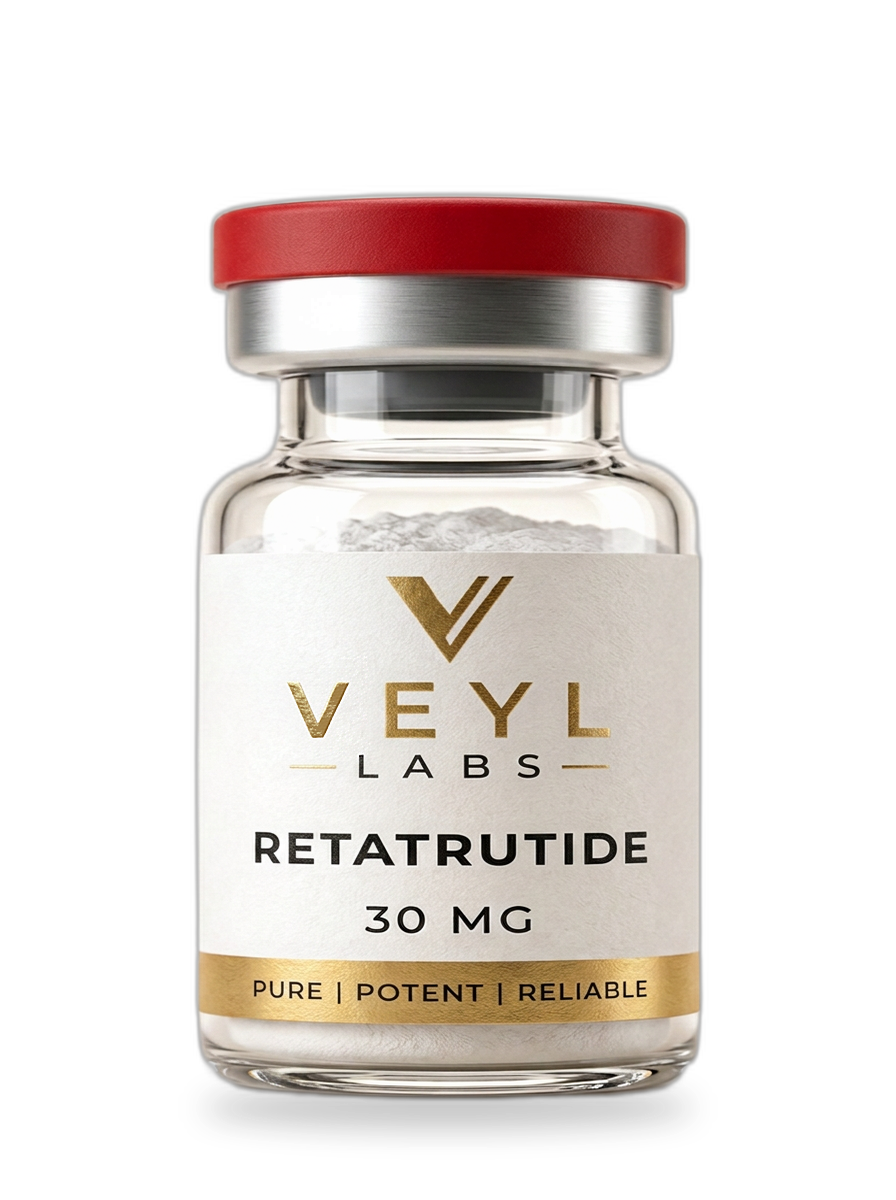
Veyl Labs Retatrutide research vial

Retatrutide

TRIPLE AGONIST (GLP-1 / GIP / GLUCAGON)

Retatrutide extends the multi-agonist concept a step further by adding glucagon-receptor activity to GIP and GLP-1. It appears in research where the question is how simultaneous energy-expenditure and satiety pathways interact in a controlled model.

CLASSIFICATION

Synthetic single-chain triple-receptor agonist peptide

MECHANISM IN THE LITERATURE

Engages three class-B GPCRs. Glucagon-receptor activity is associated in the literature with hepatic energy expenditure, while GLP-1/GIP components are associated with insulinotropic signalling.

COMMONLY STUDIED IN

  • Triple-receptor selectivity ratios and potency profiling
  • Hepatic metabolic-pathway models in vitro
  • Comparative studies against dual and single agonists

WHERE TO READ NEXT

  • Search terms: 'retatrutide triple agonist receptor selectivity'
  • Useful as the third point of a single/dual/triple agonist comparison
VIEW PRODUCT SPECS30 mg · 99%+ by HPLC
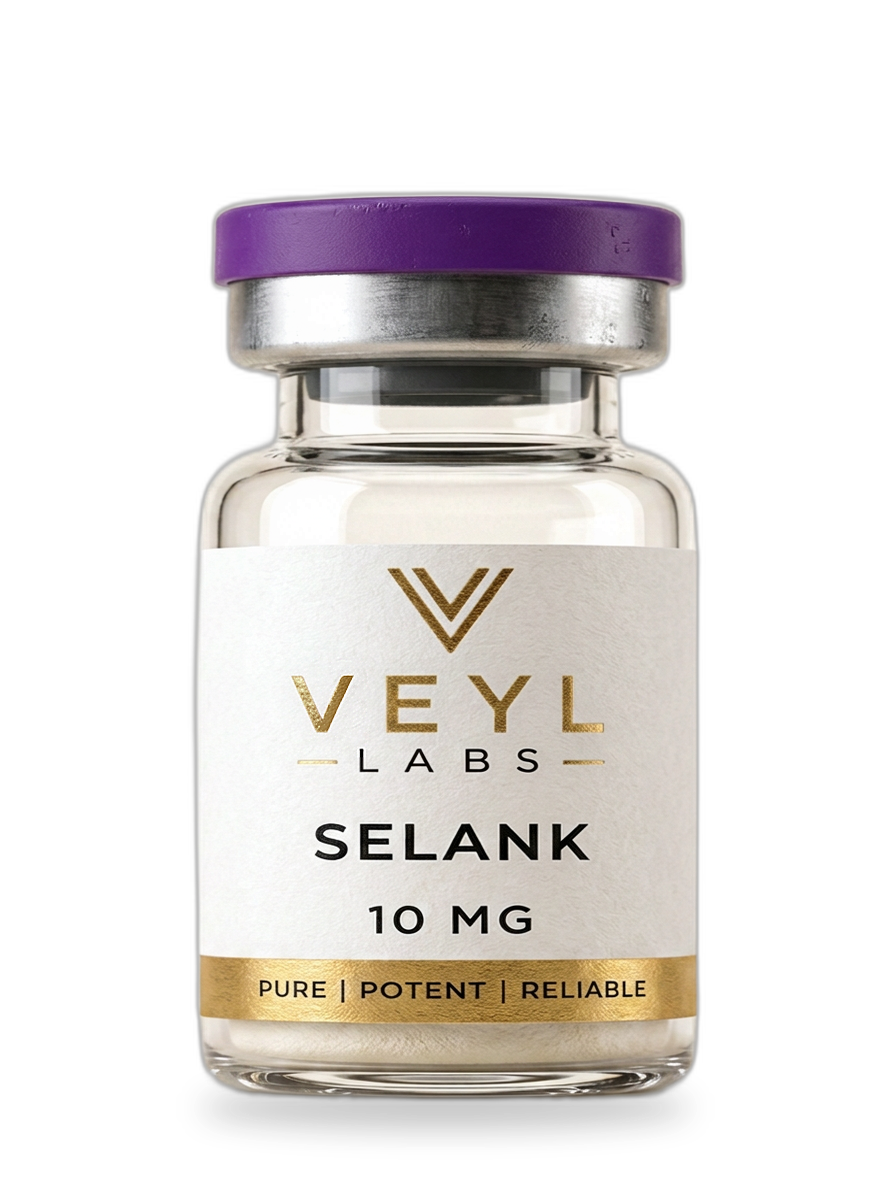
Veyl Labs Selank research vial

Selank

TUFTSIN ANALOG (THR-LYS-PRO-ARG-PRO-GLY-PRO)

Selank is a stabilised tuftsin analog referenced in anxiolytic and immunomodulatory literature. Like Semax it carries a Pro-Gly-Pro tail for enzymatic stability, and the two are often characterised side by side.

CLASSIFICATION

Heptapeptide analog of the immunopeptide tuftsin

MECHANISM IN THE LITERATURE

Associated in published models with GABAergic and monoaminergic modulation and with changes in interleukin expression — placing it at the intersection of neuro- and immuno-peptide research.

COMMONLY STUDIED IN

  • GABA-pathway and receptor-expression models
  • Cytokine and interleukin expression assays
  • Enzymatic-stability and degradation profiling

WHERE TO READ NEXT

  • Search terms: 'Selank tuftsin analog GABAergic immunomodulatory'
  • Background: tuftsin and innate-immune signalling
VIEW PRODUCT SPECS10 mg · 99%+ by HPLC
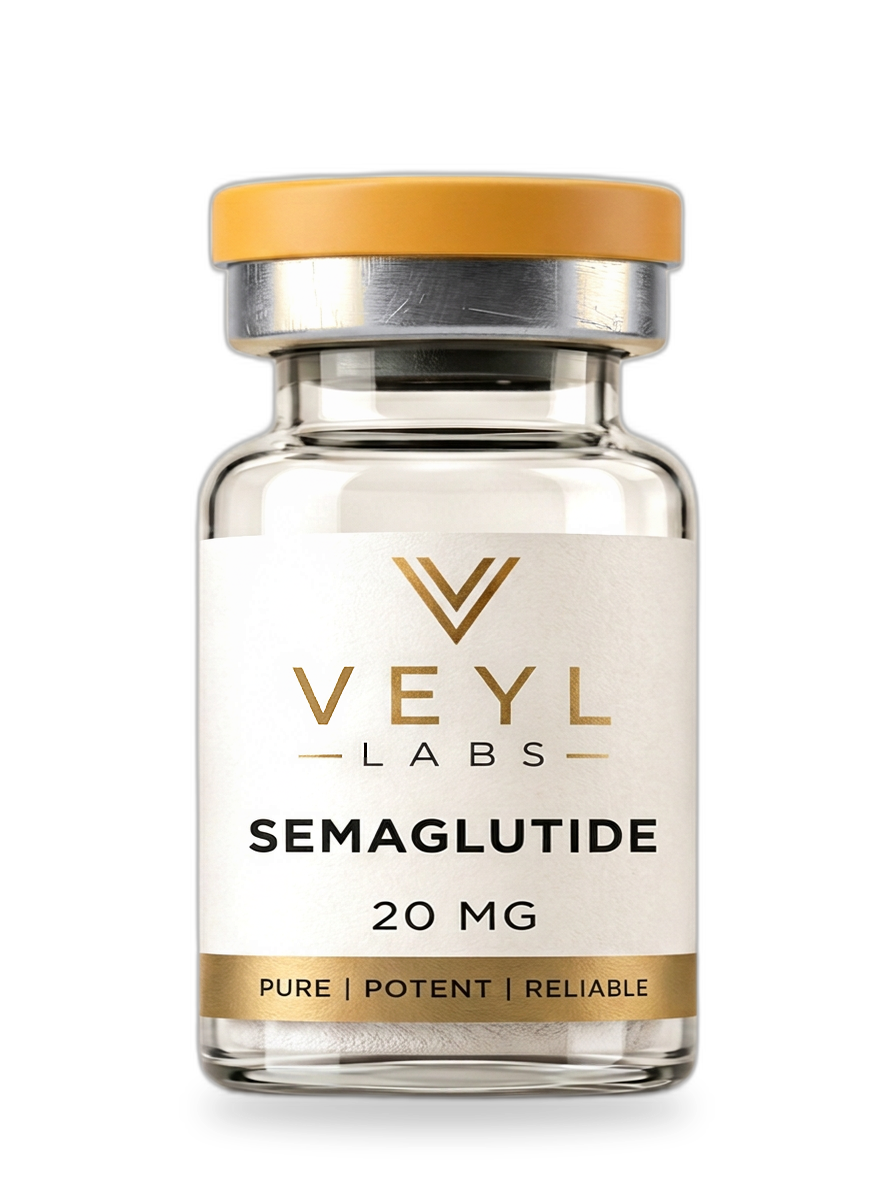
Veyl Labs Semaglutide research vial

Semaglutide

GLP-1 RECEPTOR AGONIST ANALOG

Semaglutide is one of the most widely cited GLP-1 (glucagon-like peptide-1) analogs in modern metabolic literature. Its albumin-binding side chain extends plasma half-life dramatically compared with native GLP-1, which is why laboratories frequently select it as a long-acting reference agonist in receptor assays.

CLASSIFICATION

31-amino-acid GLP-1 analog with a C-18 fatty-acid chain

MECHANISM IN THE LITERATURE

In cell models it binds the GLP-1 receptor, a class-B G-protein-coupled receptor, activating cAMP/PKA signalling. Modification at position 8 resists DPP-4 cleavage, and the fatty-acid linker slows renal clearance.

COMMONLY STUDIED IN

  • GLP-1 receptor binding affinity and potency curves
  • Insulin-secretion signalling in pancreatic beta-cell lines
  • Comparative half-life and protein-binding characterisation
  • Appetite- and gastric-pathway models in animal research literature

WHERE TO READ NEXT

  • Search terms: 'semaglutide GLP-1 receptor agonist pharmacology'
  • Compare against native GLP-1 (7-36) amide and liraglutide data sets
VIEW PRODUCT SPECS20 mg · 99%+ by HPLC
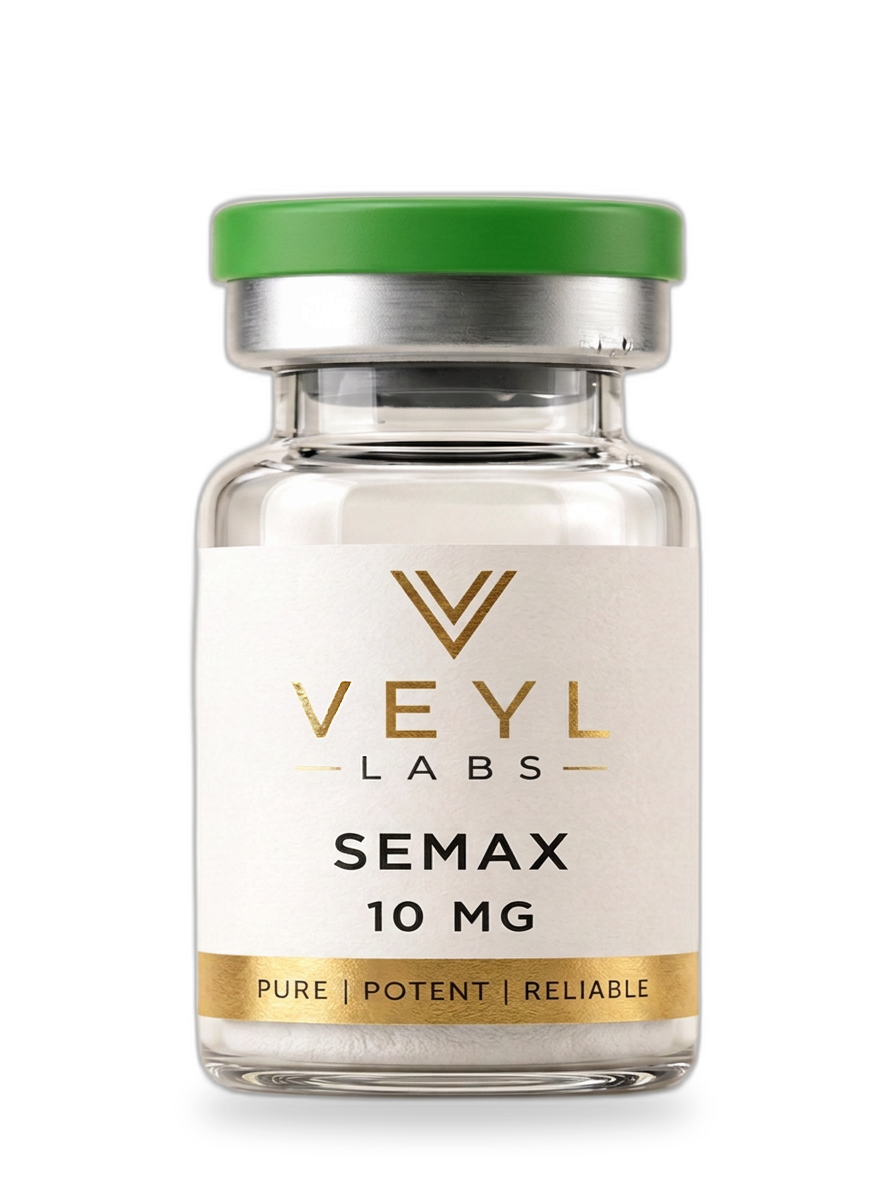
Veyl Labs Semax research vial

Semax

ACTH (4-10) ANALOG, MET-GLU-HIS-PHE-PRO-GLY-PRO

Semax is a synthetic analog of a short ACTH fragment with the corticotropic activity removed. It is widely referenced in neuropeptide research, particularly around neurotrophic-factor expression.

CLASSIFICATION

Heptapeptide ACTH fragment analog

MECHANISM IN THE LITERATURE

A C-terminal Pro-Gly-Pro extension confers enzymatic stability. Published cell and animal models associate it with BDNF and NGF expression and with modulation of monoaminergic signalling.

COMMONLY STUDIED IN

  • BDNF / NGF expression in neuronal culture
  • Neuroprotection models under hypoxic or ischemic stress
  • Peptide-stability and blood-brain-barrier transport studies

WHERE TO READ NEXT

  • Search terms: 'Semax ACTH(4-10) analog BDNF expression'
  • Frequently studied in parallel with Selank
VIEW PRODUCT SPECS10 mg · 99%+ by HPLC
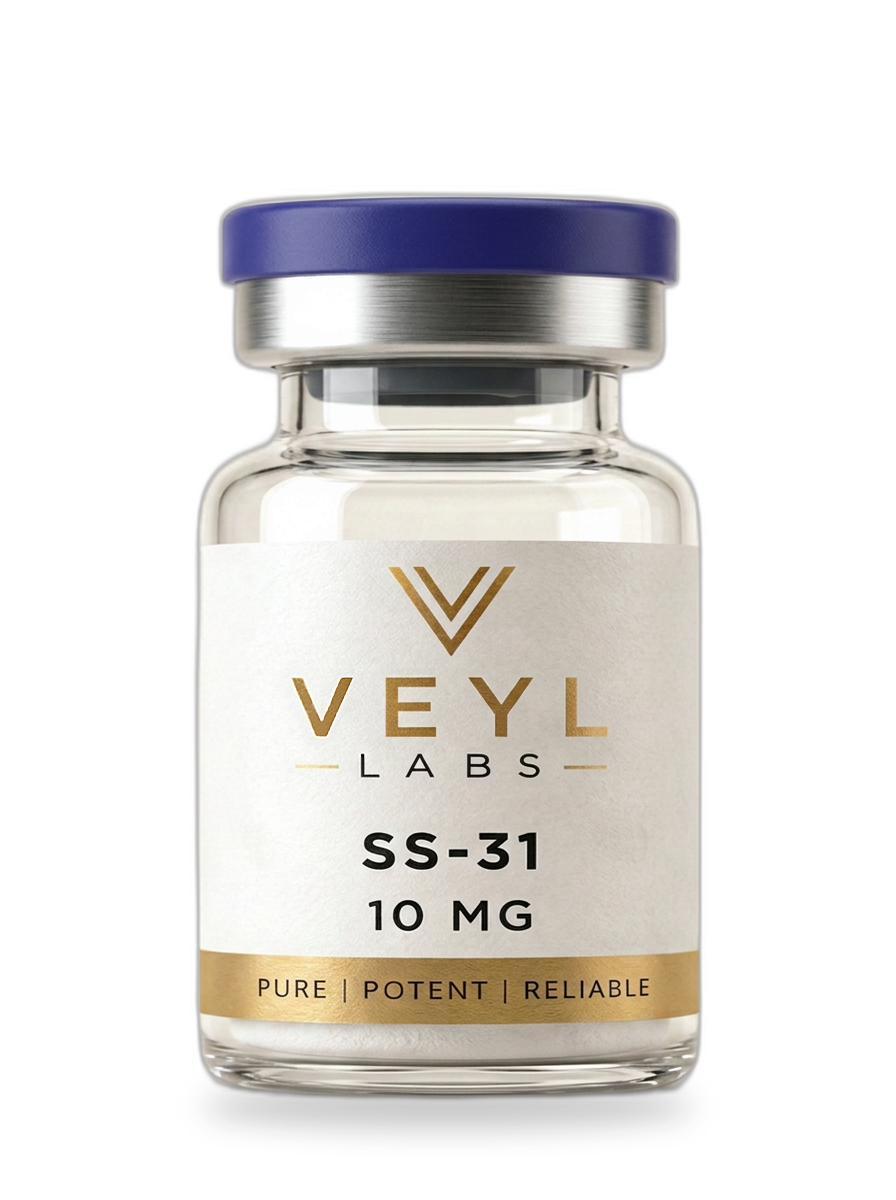
Veyl Labs SS-31 research vial

SS-31

ELAMIPRETIDE, SS-31, MTP-131

SS-31 is a small aromatic-cationic peptide that concentrates in the inner mitochondrial membrane. It is a standard tool compound for anyone studying mitochondrial bioenergetics or oxidative stress in cell culture.

CLASSIFICATION

Cell-permeable, mitochondria-targeted tetrapeptide

MECHANISM IN THE LITERATURE

Associates with cardiolipin in the inner mitochondrial membrane, which in published models helps preserve cristae architecture and electron-transport-chain efficiency, reducing reactive-oxygen-species formation.

COMMONLY STUDIED IN

  • Mitochondrial membrane-potential and respiration assays
  • Oxidative-stress and ROS-generation models
  • Cardiolipin-binding and cristae-morphology imaging studies

WHERE TO READ NEXT

  • Search terms: 'SS-31 elamipretide cardiolipin mitochondrial'
  • Pair with Seahorse-style respirometry protocols
VIEW PRODUCT SPECS10 mg · 99%+ by HPLC
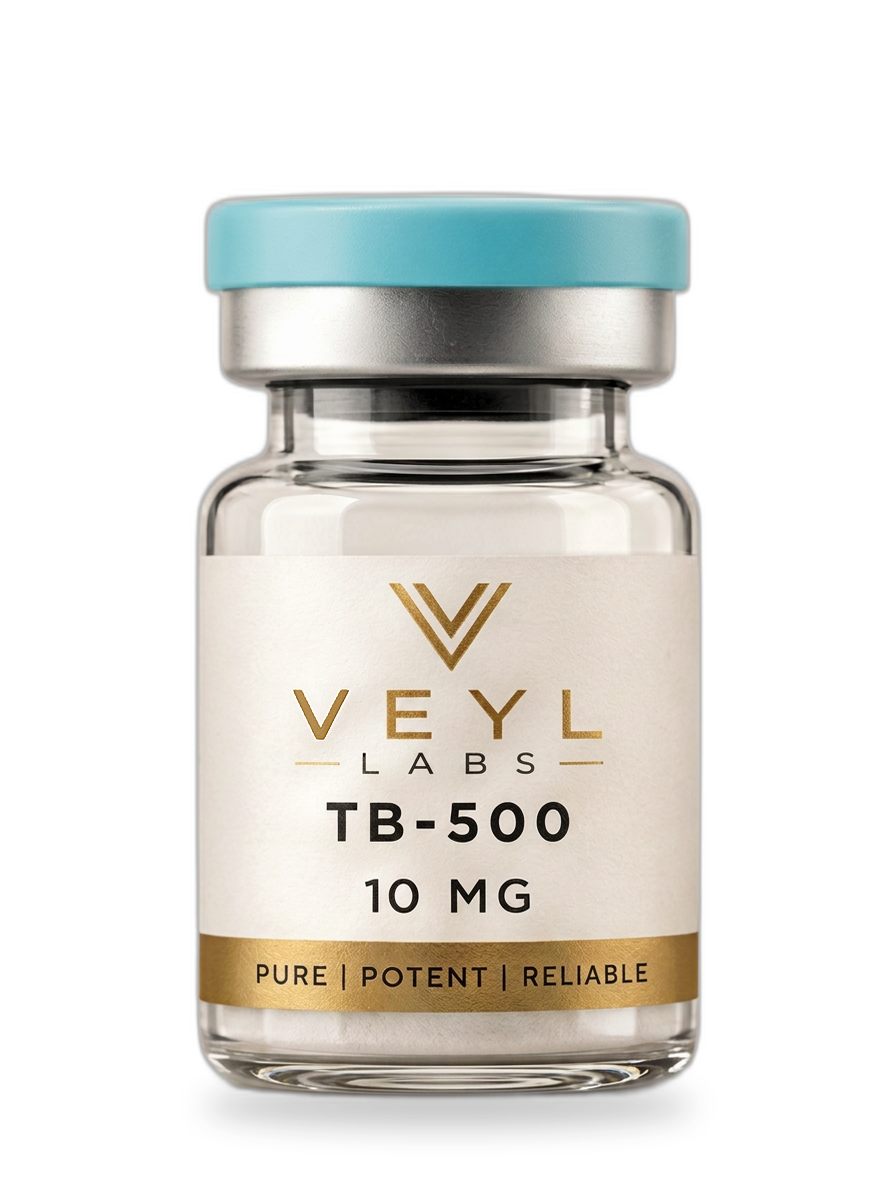
Veyl Labs TB-500 research vial

TB-500

THYMOSIN BETA-4 FRAGMENT (AC-LKKTETQ)

TB-500 is the active fragment of thymosin beta-4, a naturally occurring actin-sequestering peptide. It shows up most often in cell-migration and tissue-remodelling studies, where researchers want a compact peptide rather than the full 43-residue protein.

CLASSIFICATION

Synthetic fragment of the actin-binding protein Tβ4

MECHANISM IN THE LITERATURE

Binds G-actin and influences actin polymerisation, which affects cytoskeletal reorganisation and therefore cell motility in culture. Also referenced in angiogenesis and inflammatory-signalling literature.

COMMONLY STUDIED IN

  • Fibroblast and endothelial cell-migration assays
  • Angiogenesis and capillary-formation models
  • Extracellular-matrix remodelling research

WHERE TO READ NEXT

  • Search terms: 'thymosin beta-4 actin sequestering cell migration'
  • Often studied alongside BPC-157 literature for comparison
VIEW PRODUCT SPECS20 mg · 99%+ by HPLC
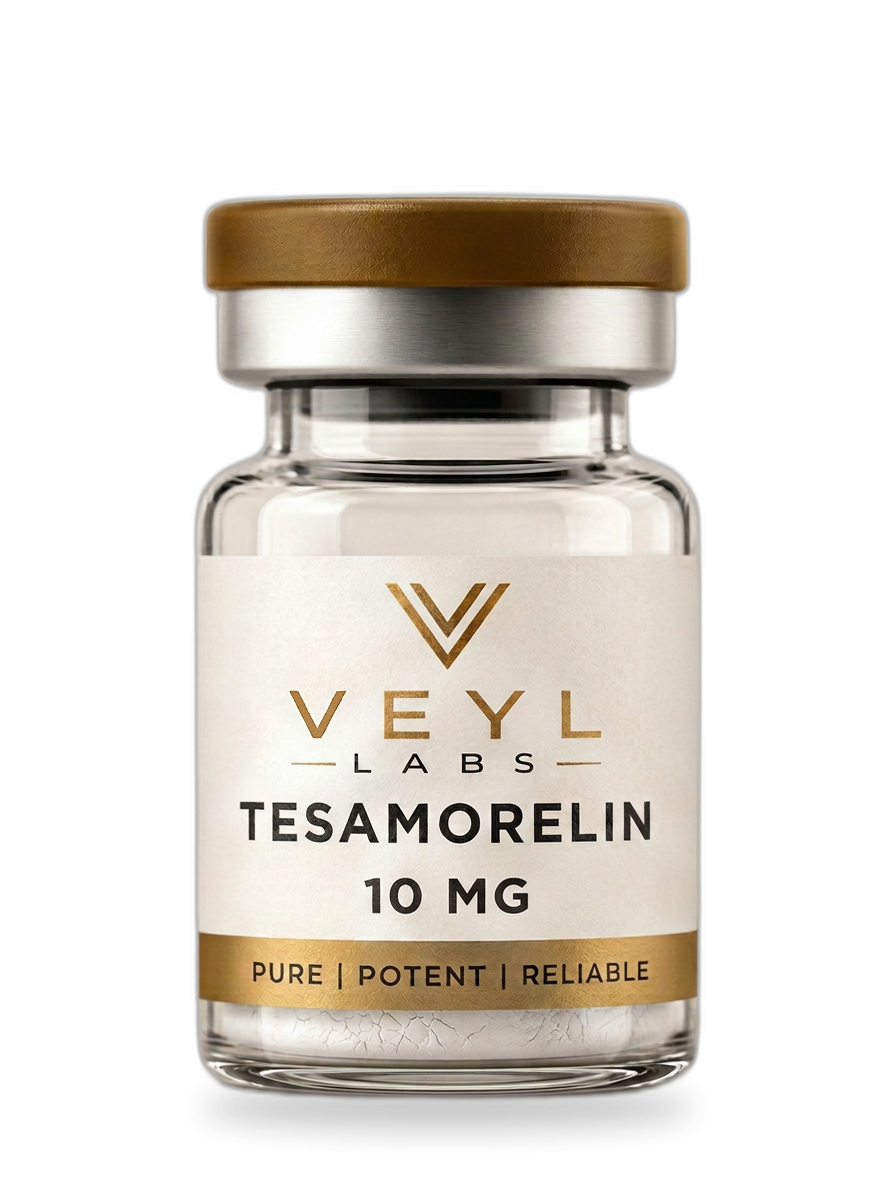
Veyl Labs Tesamorelin research vial

Tesamorelin

GHRH (1-44) ANALOG

Tesamorelin is a stabilised analog of growth-hormone-releasing hormone. Endocrine researchers use it when studying the upstream pituitary axis rather than administering growth hormone directly, because it acts on the release mechanism itself.

CLASSIFICATION

44-amino-acid growth-hormone-releasing hormone analog

MECHANISM IN THE LITERATURE

Binds the GHRH receptor on pituitary somatotrophs, stimulating pulsatile growth-hormone release. A trans-3-hexenoyl group at the N-terminus resists DPP-4 degradation.

COMMONLY STUDIED IN

  • GHRH-receptor binding and pituitary cell-model signalling
  • Pulsatility and feedback-loop characterisation
  • Comparative endocrine-axis research against other GHRH analogs

WHERE TO READ NEXT

  • Search terms: 'tesamorelin GHRH analog pituitary signalling'
  • Background reading: the GH/IGF-1 axis
VIEW PRODUCT SPECS20 mg · 99%+ by HPLC
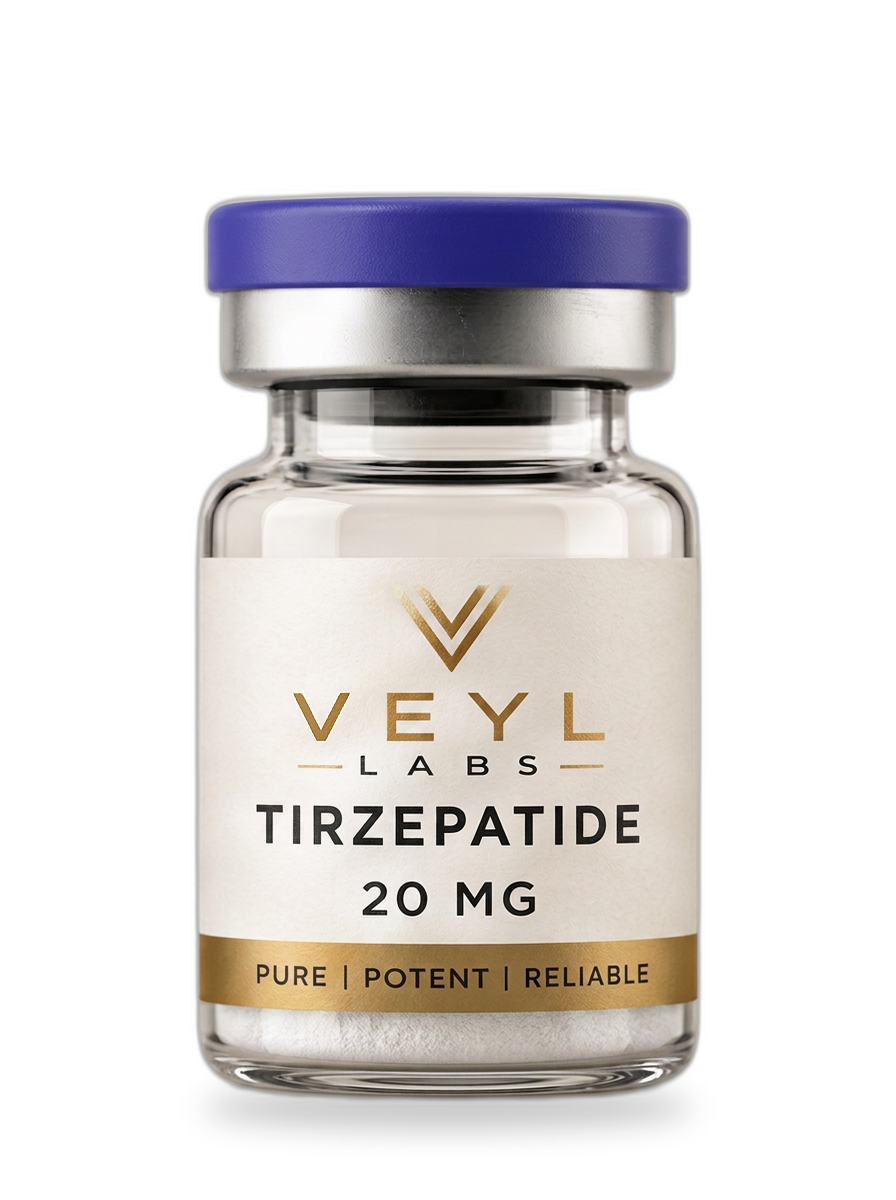
Veyl Labs Tirzepatide research vial

Tirzepatide

DUAL GIP / GLP-1 RECEPTOR AGONIST

Tirzepatide is a dual-incretin peptide that engages both the GIP and GLP-1 receptors. It is commonly used in comparative assay panels because it lets researchers observe what happens when two incretin pathways are activated by a single molecule rather than two separate compounds.

CLASSIFICATION

39-amino-acid synthetic peptide, GIP-backbone dual agonist

MECHANISM IN THE LITERATURE

Built on a GIP peptide backbone with GLP-1 activity engineered in, plus a C-20 fatty-diacid for albumin binding. It biases GIP-receptor signalling while retaining partial GLP-1 receptor activation.

COMMONLY STUDIED IN

  • Dual-receptor pathway comparison versus single-agonist controls
  • cAMP accumulation assays across GIPR and GLP-1R cell lines
  • Metabolic-flux and adipocyte signalling models

WHERE TO READ NEXT

  • Search terms: 'tirzepatide dual GIP GLP-1 agonist mechanism'
  • Read alongside retatrutide papers for multi-agonist context
VIEW PRODUCT SPECS20 mg · 99%+ by HPLC

Reconstitution guide

  1. 01Allow the sealed vial to reach room temperature before opening; cold glass attracts condensation.
  2. 02Swab both the vial stopper and the diluent stopper with an alcohol prep pad and let them dry.
  3. 03Draw the calculated volume of bacteriostatic water and inject it slowly down the inner wall of the vial — never directly onto the powder cake.
  4. 04Do not shake. Roll or swirl gently until fully dissolved; agitation can shear peptide chains.
  5. 05Label the vial with compound, concentration, and reconstitution date, then refrigerate at 2–8 °C.
  6. 06Record concentration in your lab notebook: mg of peptide ÷ mL of diluent = mg/mL.

LABORATORY TECHNIQUE ONLY • PERFORM IN A QUALIFIED SETTING WITH APPROPRIATE PPE

Glossary

LYOPHILIZED
Freeze-dried into a stable powder cake; requires reconstitution before use in solution.
HPLC PURITY
High-performance liquid chromatography measurement of how much of the sample is the target compound.
COA
Certificate of Analysis — the batch document reporting identity, purity, and test methods.
AGONIST
A molecule that binds a receptor and activates it, as opposed to blocking it.
GPCR
G-protein-coupled receptor — the receptor family most incretin peptides act on.
HALF-LIFE
Time for half of the compound to be cleared or degraded under given conditions.
IN VITRO
Performed outside a living organism, e.g. in cell culture or a test tube.
ALIQUOT
A measured sub-portion of a solution, stored separately to avoid freeze–thaw cycles.

Need batch data?

Request the Certificate of Analysis for any batch before you buy. We publish identity, HPLC purity, and test methods.